


EPCI : One-Stop Solution for Global Megaprojects
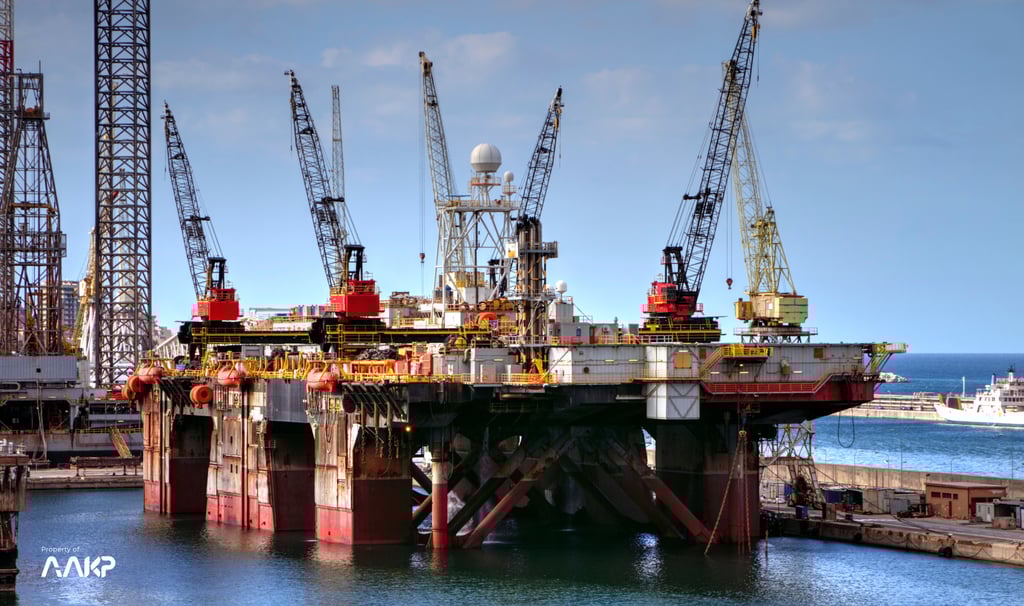

EPCI : ONE-STOP SOLUTION FOR GLOBAL MEGAPROJECTS
Makassar, 02 February 2025
In the energy, oil and gas, and heavy construction industries, the term EPCI is not unfamiliar. However, for those new to project management, understanding the full meaning of this acronym is crucial. EPCI is more than just a work method; it's a full-responsibility model that ensures a facility can stand up and operate in even the most challenging locations.
EPCI stands for Engineering, Procurement, Construction, and Installation. This is a highly complex type of construction contract in which the main contractor (often called the EPCI contractor) is responsible for providing services from the initial design phase to the final installation of the facility on site. Let's analyze each phase based on international project management standards :
Engineering.
This phase is the brains of the entire project. Engineers will develop detailed designs, from mechanical and electrical schematics to structural calculations. The primary focus is on creating a cost-effective design while still meeting stringent safety standards.
Procurement.
Once the design is approved, the contractor begins procuring materials and equipment. In EPCI projects, procurement often involves global logistics—such as ordering specialized steel from one country and turbine engines from another—while ensuring everything arrives on schedule.
Construction (Konstruksi).
The construction phase is the stage where the design begins to take physical form. Typically, large components are built or fabricated in a yard. The advantage of this phase is centralized quality control before the units are shipped to their original location.
Installation (Instalasi).
This is the key differentiator between EPCI and traditional EPC contracts. The installation phase involves transporting the massive structure to the operational site (e.g., the middle of the ocean or a remote area) and performing the final installation and integration until the system is ready for commissioning.
Many large companies (such as national or multinational oil companies) choose this model for several fundamental reasons :
Single Point of Responsibility : Project owners don't have to worry about coordinating multiple vendors. If a technical issue arises, only one party is held accountable;
Risk Mitigation : The contractor bears most of the technical and operational risks during the construction and installation period; and
Time Efficiency : Because design, procurement, and construction are managed under one roof, schedule overlaps can be minimized through integrated project management.
Many people ask, "How is it different from a traditional EPC?" The answer lies in transportation and on-site installation. In an EPC contract, the contractor's responsibility often ends when the item is completed at the factory or onshore project site. However, with EPCI, the contractor is required to ensure the unit is properly installed and connected to other infrastructure at the final site, which often involves extreme logistical challenges such as the use of giant cranes or subsea work.
EPCI is a comprehensive solution for complex projects. By integrating engineering, procurement, construction, and installation under a single control, project success is more measurable and the risk of integration failure is minimized.
Writer : Angelia Khairunnisa
PT AAKP ANEKA USAHA RAYA
Jalan Berua I
Contact
Support Request
PT AAKP Aneka Usaha Raya © 2026
Sudiang Raya, Biringkanaya
Kota Makassar, Sulawesi Selatan
Telp./Whatsapp :
INDONESIA 90242
HEADQUARTERS
Surel/E-Mail :


Find us on
Sitemap